Subject file
Student News
Student News reports developments affecting students now: examination format and grading decisions, admissions rule changes, funding and grant announcements, strikes and term disruptions. Items stay short, dated and attributed. Followed by students, parents and school staff who need to know what changed before rumors harden into belief.
Student News
Roughly one in four US public school students was chronically absent in 2023-24 — missing 10 percent or more of school days — nearly double the pre-pandemic rate, per analyses of federal data.
By Kara Williams • August 10, 2026
Student News
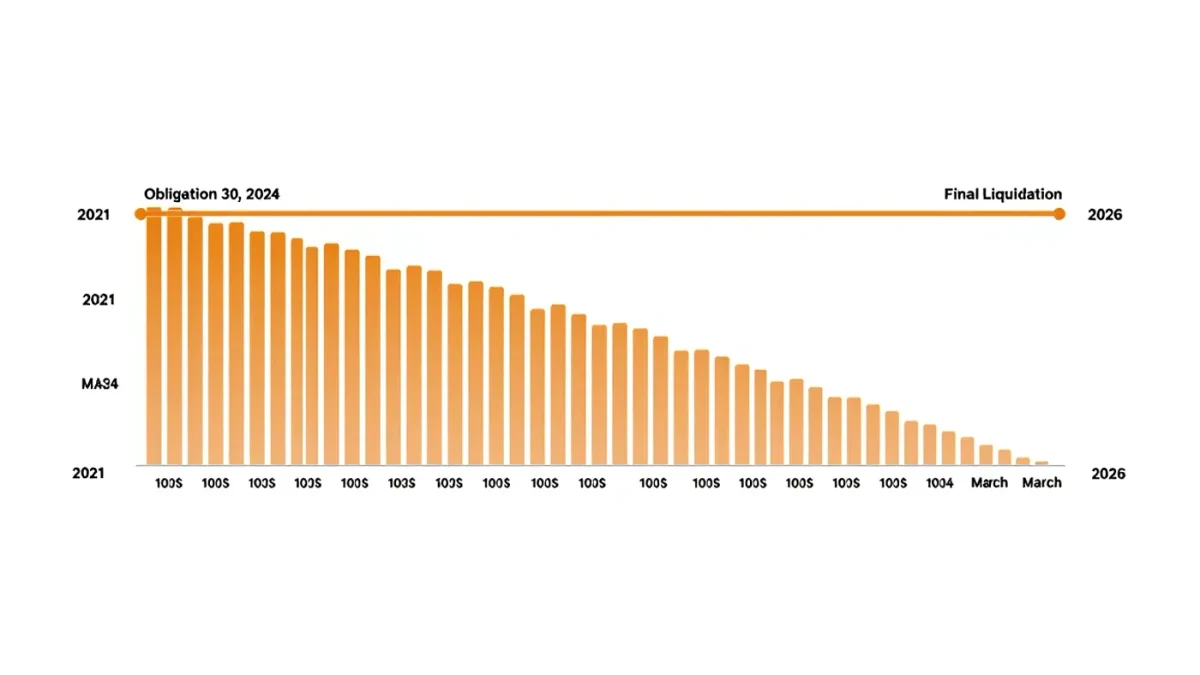
The last federal relief dollars hit a hard deadline in March 2026 — the final chapter of roughly $190 billion in pandemic-era education aid.
By Marta Kowalczyk • August 1, 2026
Student News
Kindergarten enrollment fell 9 percent and pre-K 22 percent in the pandemic — federal data shows the youngest grades mostly came back, while demographics now pull the other way.
By Marta Kowalczyk • July 9, 2026
Student News
More states now require a civics course or exam to graduate — and the details, from a half-credit in government to a citizenship-style test, vary enormously.
By Kara Williams • June 16, 2026
Student News
Nearly 2.5 million high schoolers took college courses in 2022-23 — the first national count — and the growth raises an access question families should check.
By Kara Williams • May 25, 2026
Student News
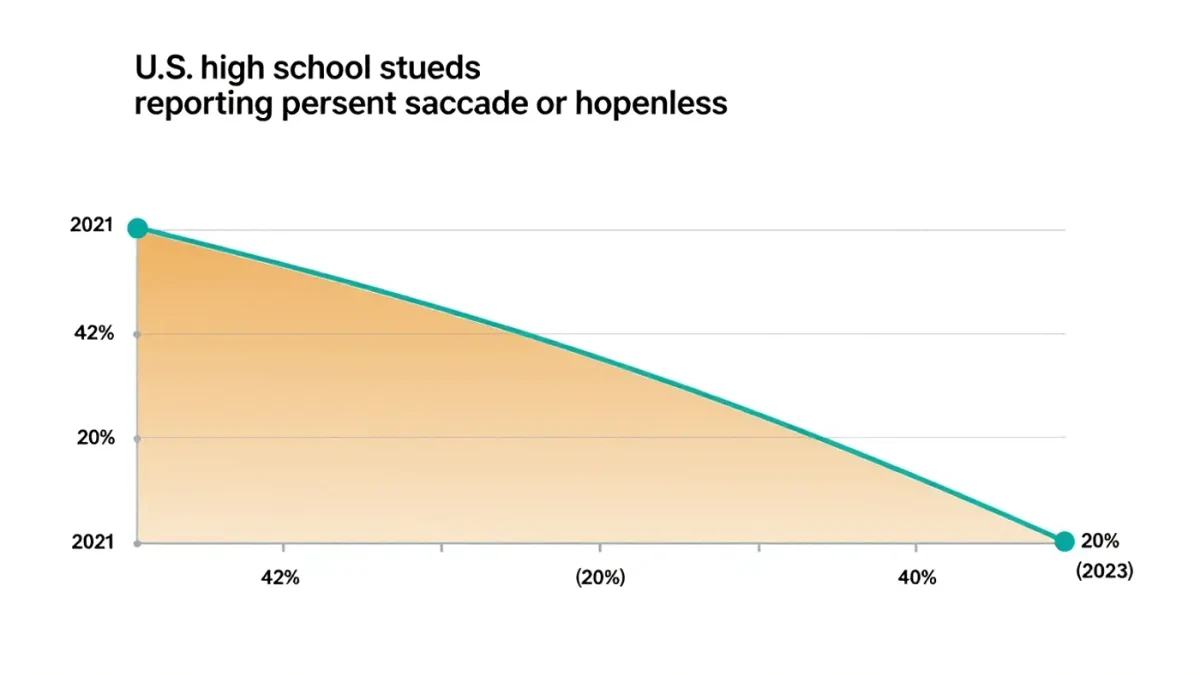
Teen mental health has stopped getting worse — 40 percent of high schoolers reported persistent sadness in 2023, down from 42 percent — but school services now face a funding cliff.
By Hiroshi Nakamura • May 2, 2026
Student News
Nearly three-quarters of schools struggled to fill teaching jobs for 2024-25, per federal survey data — and the schedule is where families feel it first.
By Hiroshi Nakamura • April 9, 2026
Student News
The digital SAT is shorter, adaptive, and calculator-friendly — but the scoring scale, the 400-1600 range families know, did not change.
By Marta Kowalczyk • March 17, 2026
Student News
Since Florida's 2023 law, dozens of states have restricted school-day phone use — and the bell-to-bell ban has become the default model.
By Marta Kowalczyk • February 23, 2026
Student News
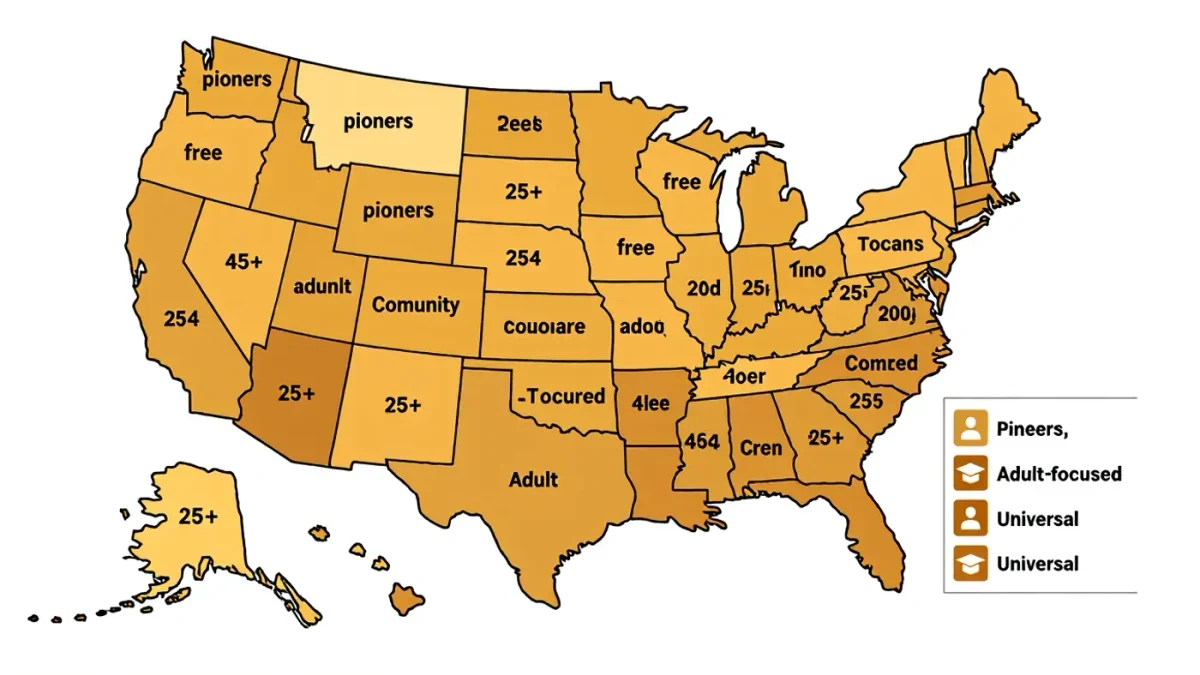
More than a dozen states now cover community college tuition — but eligibility rules, 'last-dollar' fine print, and deadlines decide whether a student actually pays nothing.
By Hiroshi Nakamura • January 31, 2026