Skills
Starting a Podcast With Your Class: A How-To
A classroom audio project needs little gear, a clear plan, and a publishing choice made early.
By Samuel Achebe • October 1, 2026
Skills develops abilities that transfer between subjects and into work: structuring an argument, writing to a brief, presenting to a room, interpreting charts and statistics, and managing deadlines. Each article includes practice tasks. For students building capability that outlasts a syllabus, and teachers looking for usable exercises.
A classroom audio project needs little gear, a clear plan, and a publishing choice made early.
Part-time jobs, clubs and coursework already contain resume-ready skills — the work is naming them in the language employers scan for.
A step-by-step setup parents can run before the school year starts, so the schedule survives the first busy week.
Decades of cognitive-science research point to two study habits that actually work — and they're not the ones most students already use.
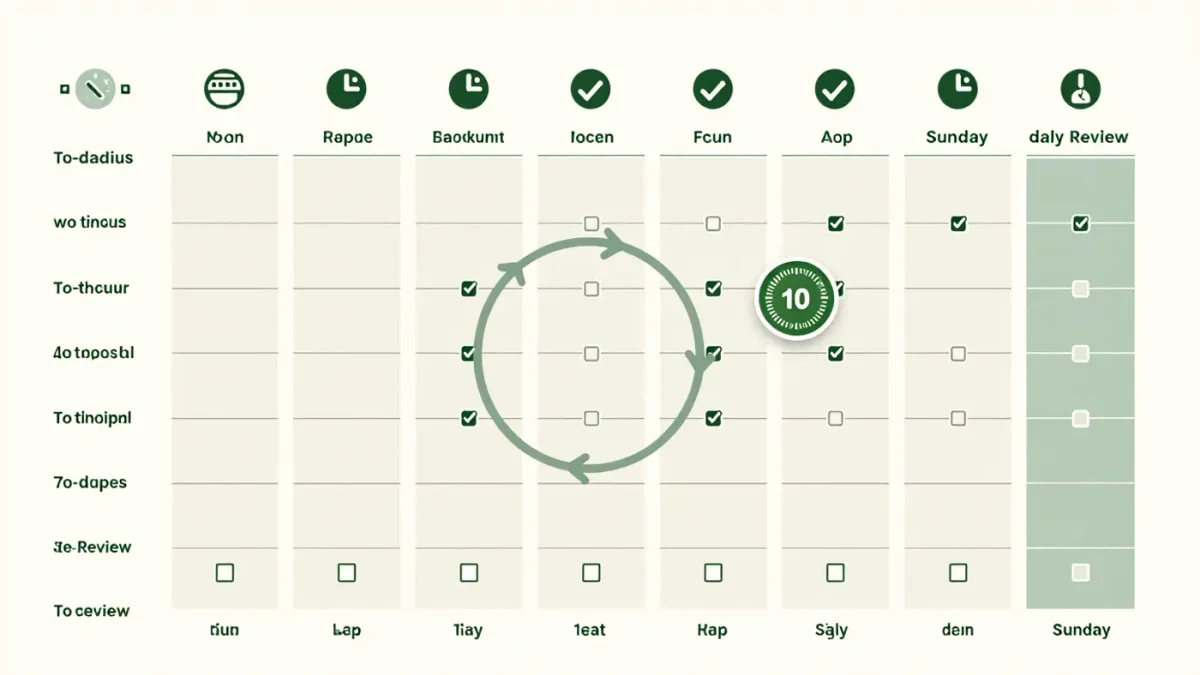
Most planners die by October because they are used as a diary of intentions — the fix is one daily review habit and a page small enough to finish.

Speaking anxiety peaks exactly when class presentations begin — and short, repeated, low-stakes reps in middle school shrink it for life.
A first resume is one honest page — experience is anything you did regularly, and action verbs plus real numbers do the persuading.
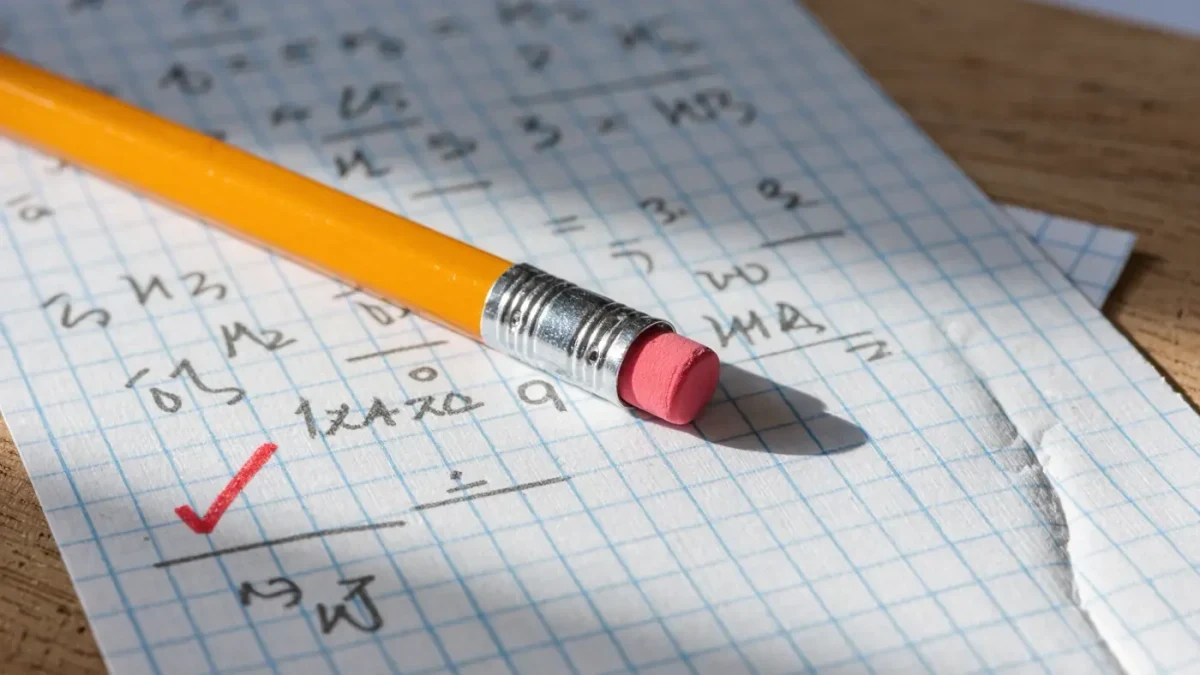
Math is learned by retrieval and spacing — worked problems redone from scratch on separate days — not by rereading notes the night before.
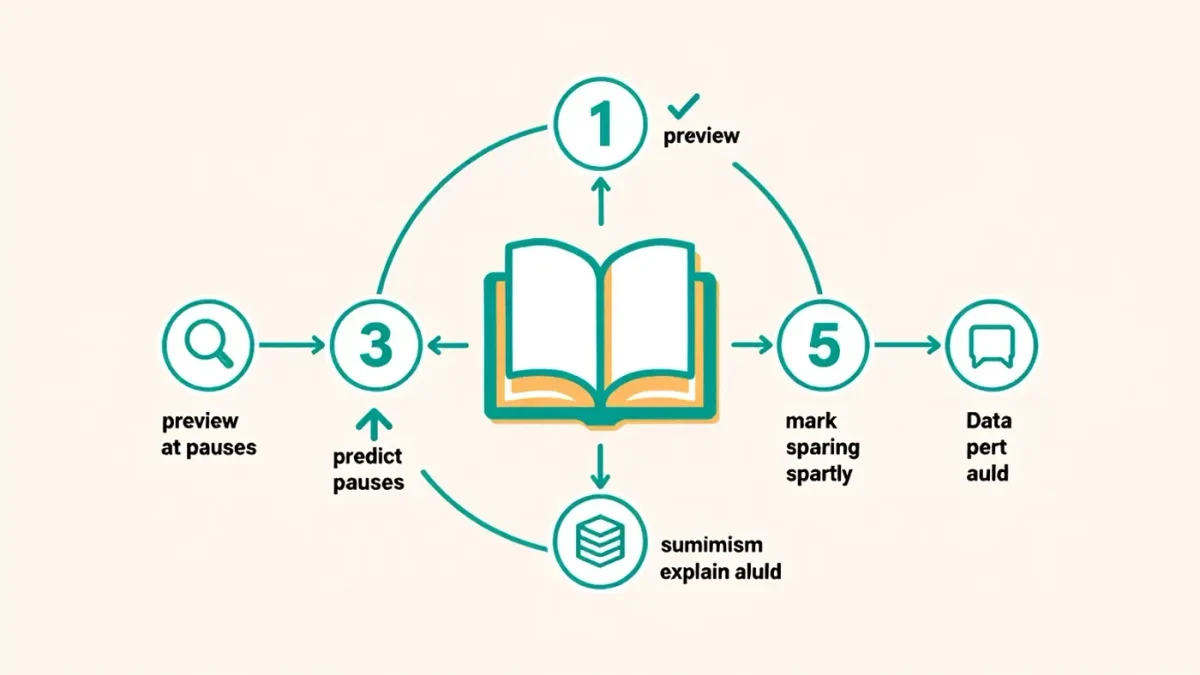
Active reading — predicting, questioning, summarizing — measurably beats rereading, and it turns any assigned chapter into built-in test prep.
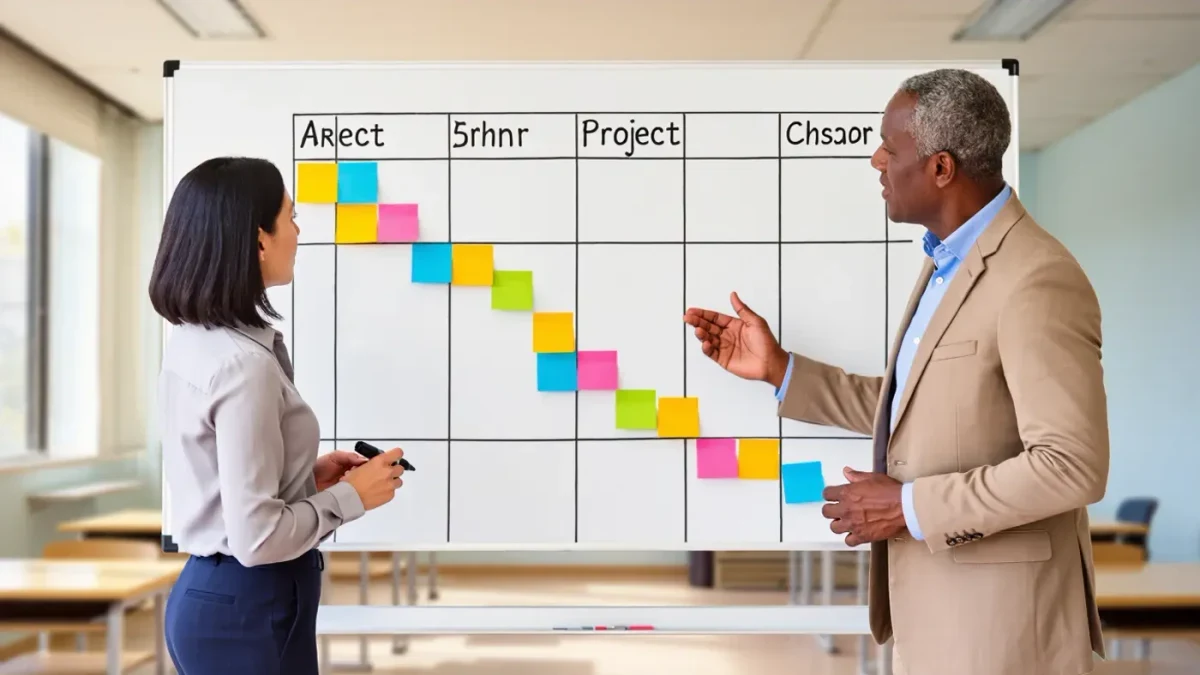
Planning a three-week project is a teachable skill — backward planning, fake deadlines, and a first small step done today.