Subject file
Family: Parenting and Home Life
Family examines education from inside the household: revision routines that do not wreck a home, disagreements about phones and bedtimes, the real cost of trips and equipment, and how siblings with different results are handled. Written for parents and carers managing school pressure alongside everything else in a week.
Family
Start with the present and work backwards, one generation at a time. Here is how real genealogists work, translated into a summer project your kids can lead.
By Zara Nasser • October 3, 2026
Family
Chores and accountability work better as a conversation than a command — here's how to shape that talk at every age.
By Kara Williams • October 2, 2026
Family
What happens in the first days, who decides what, and how to keep your footing while the system moves.
By Kara Williams • September 28, 2026
Family
When one child brings home report cards the other brings home praise, comparison can quietly poison both kids. Here's how to break the pattern.
By Kara Williams • September 16, 2026
Family
The supply list is only the start. Lab fees, field trips, calculators and activity passes arrive months later — here's how to plan for them.
By Kara Williams • September 13, 2026
Family
A record share of students are missing enough school to fall behind academically — here is what the data shows and what a family can do before it becomes a pattern.
By Kara Williams • August 12, 2026
Family
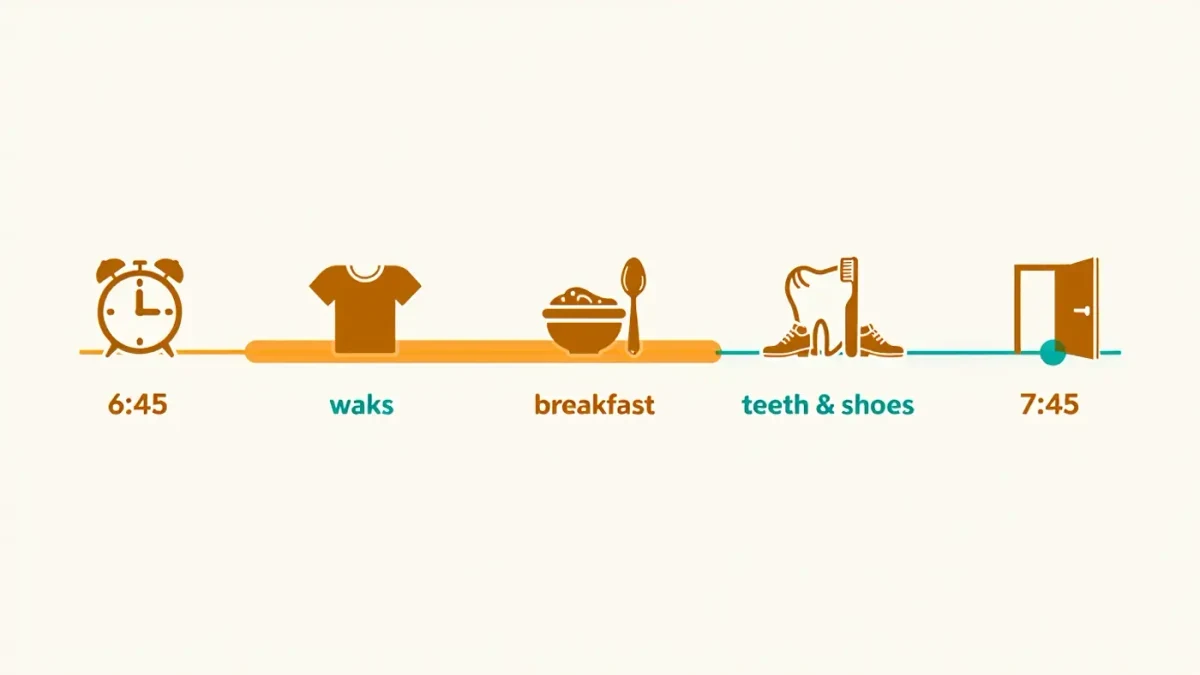
A school morning that works is designed the night before and paid for with sleep — not powered by louder wake-ups in September.
By Hiroshi Nakamura • August 10, 2026
Family
A good college visit plan spreads a few trips across junior and senior year and treats the student, not the campus, as the unit of study.
By Kara Williams • July 18, 2026
Family
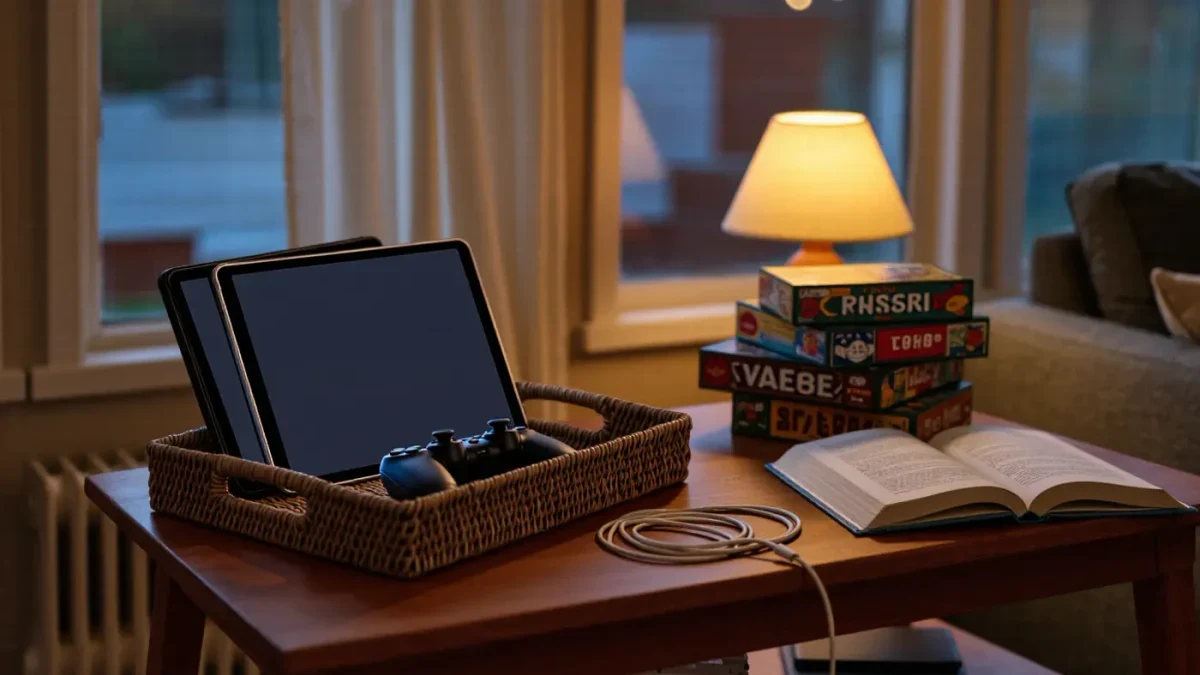
Effective screen time rules target sleep, meals, and content — not a single guilt number — and they survive because the adults follow them too.
By Kara Williams • June 25, 2026
Family
A report card is a snapshot, not a verdict — here is how to decode grades, standards-based marks, and comments into one useful next step.
By Zara Nasser • June 3, 2026