
Youth
How Youth Mentorship Programs Match Mentors and Kids
Screening, interviews, and the slow work of building a pairing that lasts.
By Marta Kowalczyk • September 29, 2026
Youth covers what teenagers and young adults face outside the classroom: first jobs and pay rights, managing money, time online, friendships, and the early independence decisions that shape later ones. Coverage stays practical and avoids lecturing. Written for young readers directly, and for adults trying to understand the current version.
Screening, interviews, and the slow work of building a pairing that lasts.

A ranked look at service roles that teach skills colleges and employers actually notice — and how to tell the difference between showing up and leading.

Diploma prep, leadership training, and support services sit alongside the trade skills — here is how the model actually works.

The green fee is often the biggest barrier for a young golfer. Here is how access programs knock it down, and what families should check before signing up.

Federal law caps a 15-year-old's school week at 18 hours and stops capping hours entirely at 16 - but state rules, work permits, and a 20-hour research marker all shape what a first job should look like.
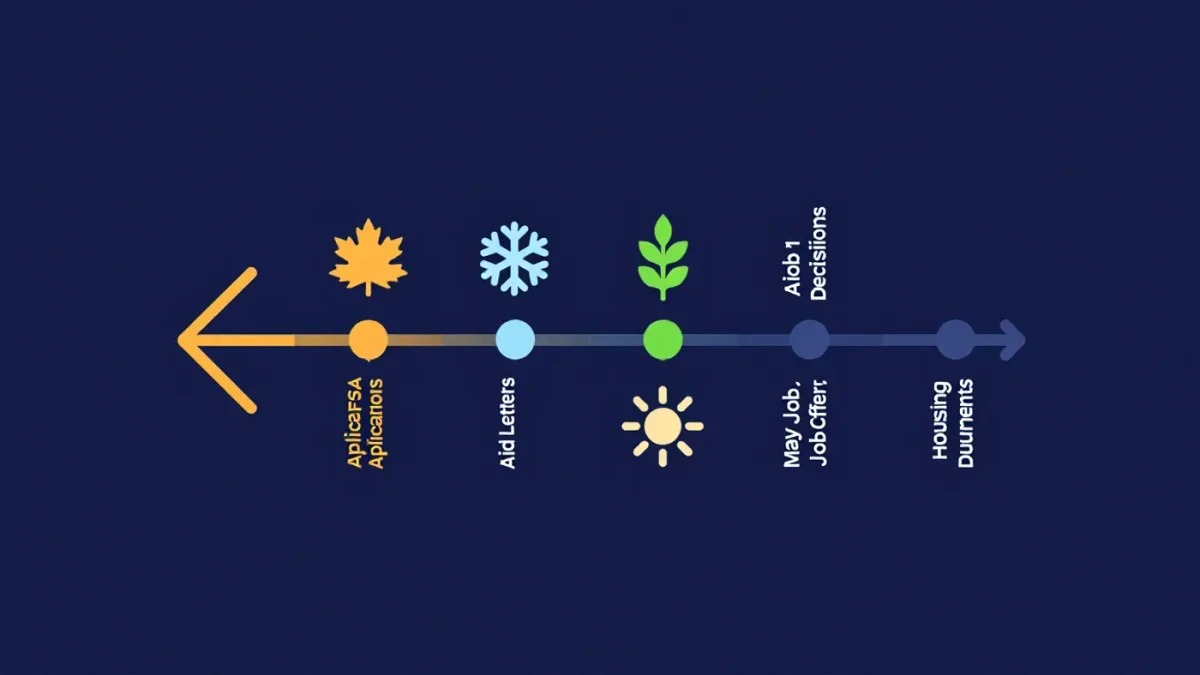
About six in ten high school graduates enroll in college right away — which means every path, including that one, needs a plan.

Summer slide is real but uneven — math slips more than reading, and the losses pile onto the students with the fewest resources.

The average American kid now gets a first smartphone around age 11 — and the first thirty days of ownership set the rules for years.

Only 14 percent of 13-year-olds read for fun almost every day — the decline has a schedule, a cause list, and a few fixes that work.
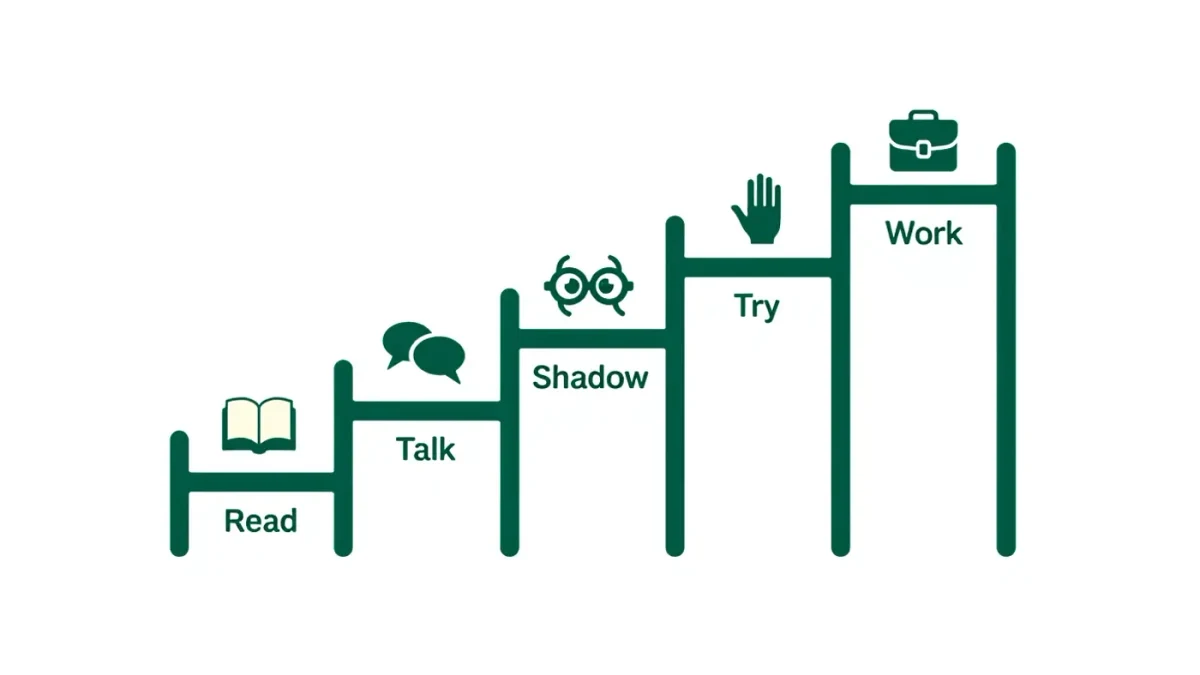
Sophomore year is the lowest-pressure, highest-leverage time to test career ideas — and free federal tools do most of the heavy lifting.