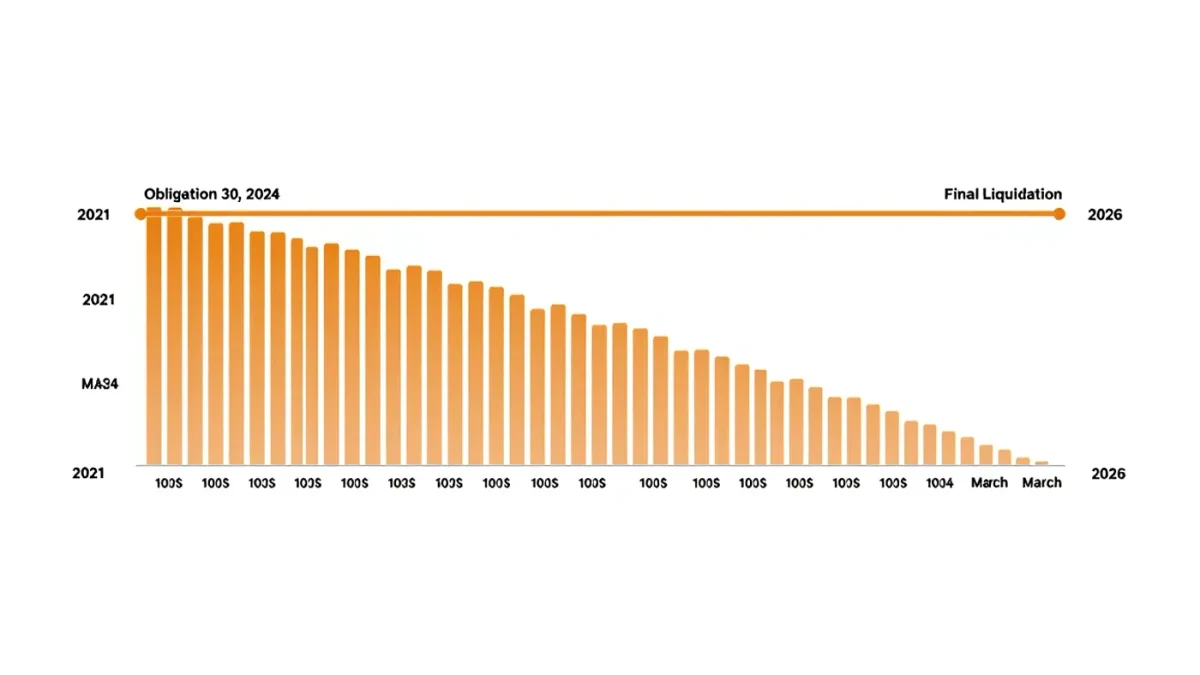
The last of the federal pandemic relief money for schools is now gone: districts had to obligate their Elementary and Secondary School Emergency Relief funds by September 30, 2024, a statutory deadline the U.S. Department of Education could not extend, and approved late-liquidation extensions run out by March 30, 2026. The three rounds of ESSER aid totaled roughly $190 billion, the largest one-time infusion in American K-12 history — and what districts bought with the tail end, from reading tutors to ventilation upgrades, is now locked into local budgets or gone.
How did the deadlines actually work?
Two clocks ran in sequence. Obligation — legally committing the money, by contract or order — ended September 30, 2024, per the Department of Education's grantee communications. Liquidation — actually paying invoices against those commitments — originally ended about 90 days later, but states could apply through December 31, 2024 for extensions carrying approved projects to March 30, 2026. In July 2025, after a period of federal funding disruption, states regained access to their late-liquidation ESSER funds, per a July 2025 Forvis Mazars analysis — a reprieve that let committed projects finish, without reopening the obligation window.
What did the money go to?
Per Department of Education guidance and district reporting, late ESSER spending concentrated in a few categories: high-dosage tutoring and summer learning aimed at recovery, staff positions districts knew were temporary, building systems — especially HVAC and ventilation — and technology bought during remote schooling. The durable purchases were the ones with a physical lifespan; the recurring costs, chiefly staff, were the ones that created the fiscal cliff districts have been managing since 2024.
What should families watch now?
The local school board budget, twice a year. A district that used one-time money for recurring staff has been deciding annually which positions survive — and those decisions land in spring budget hearings, where public comment carries real weight. The honest framing: ESSER ended not with a scandal but with a slow fade into local budget arithmetic, and families who want a tutoring program or a counselor position kept should say so while the line items are still being weighed.
What happens to unfinished projects?
Committed money that was never spent simply returns to the federal treasury; extensions covered projects already under contract, not new ideas. Districts that filed late-liquidation requests by the December 31, 2024 window could carry approved obligations — typically construction-adjacent work such as ventilation where invoices trail the work — to the March 2026 finish line. Everything else closed with the 2024 deadline, which is why two school years of budget hearings have read like a long inventory of what relief money used to pay for.