Teacher shortages are reshaping school schedules in visible ways: larger classes, combined grade levels, fewer elective sections, and class periods covered by substitutes or administrators. Per the National Center for Education Statistics School Pulse Panel, 74 percent of public schools reported difficulty filling at least one teaching position for the 2024-25 year, and 69 percent struggled with non-teaching roles such as aides and counselors. The panel, the federal government's main school operations survey, concluded its 2024-25 data collection in July 2025.
Juvenile Pre & Post publishes information, not advice; staffing situations differ sharply by district and subject.
What does the federal data actually show?
The picture improved slightly but stayed hard. Difficulty filling at least one teaching vacancy fell from 79 percent of schools for 2023-24 to 74 percent for 2024-25, per NCES. As of October 2024, 35 percent of public schools reported at least one teaching vacancy, per an Institute of Education Sciences release. Shortages concentrate in special education, math, science, and English learner programs — the same specialties that have led vacancy lists for a decade — and in schools serving the highest-poverty communities.
How does that reach the schedule?
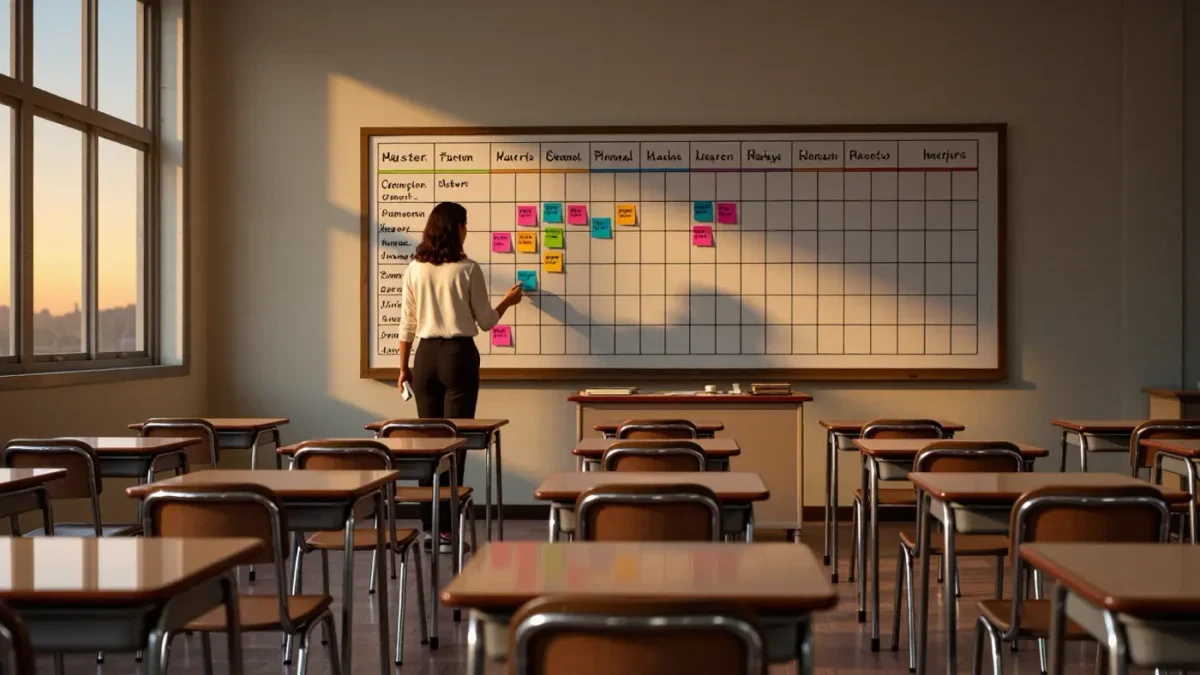
When a position stays open, the master schedule absorbs it. Common patterns districts describe: class sizes rise where certified staff are short; elective sections — advanced science, arts, world languages — get cut when enrollment does not justify a singleton section; and long-term substitutes cover core classes, which research on staffing consistently links to lost instructional continuity. The relief-era tutoring and staffing contracts that masked some gaps ended with the federal funds in 2024, leaving local budgets to carry them.
What can families ask?
Three questions at a board meeting or conference land well. Is the school's vacancy count this year higher or lower than last, and in which subjects? How are students in unfilled sections being served — certified long-term substitutes, virtual courses, or combined classes? And what is the district's plan for the highest-need subjects, since that is where quality slips first. Districts publish staffing data, and asking for it in writing turns a vague worry into a checkable answer.
What does this mean for the 2025-26 year?
The survey's last full collection ran through July 2025, so the 2024-25 numbers are the most recent federal read available. They point to a market that eases slowly: difficulty filling positions declined a few points year over year but stayed near three-quarters of all schools. Districts heading into 2025-26 with vacancies concentrated in special education and math were the ones most likely to adjust schedules again — combining sections, raising class sizes, or turning to virtual providers for singleton courses, the same adaptations families noticed the year before.