When a wild headline lands in your child's group chat, the best defense is a habit, not a lecture. Fact-checking is simply verifying the accuracy of a claim before repeating it, and research suggests it can correct perceptions and discourage false claims from spreading. Kids can learn it, and middle school is not too early to start.
The goal is not suspicion of everything. It is a three-step pause between reading a claim and sharing it.
What fact-checking actually means
Fact-checking is the process of verifying the factual accuracy of statements. It can happen before something is published or after, and both versions exist in the media world (Wikipedia). Newsrooms check in-house before printing. Independent groups such as PolitiFact and Snopes check public claims afterward and explain their reasoning.
That last part matters for kids. A good check shows its work, listing the evidence behind the verdict.
The craft has real history too. Sensationalist newspapers in the 1850s and after created a need for more factual media. Fact-checking took shape with the Associated Press and newsroom accuracy bureaus, and became its own field again when misinformation began racing across social media. Your child is joining an old profession, with much better tools.
Three checks before your child hits share
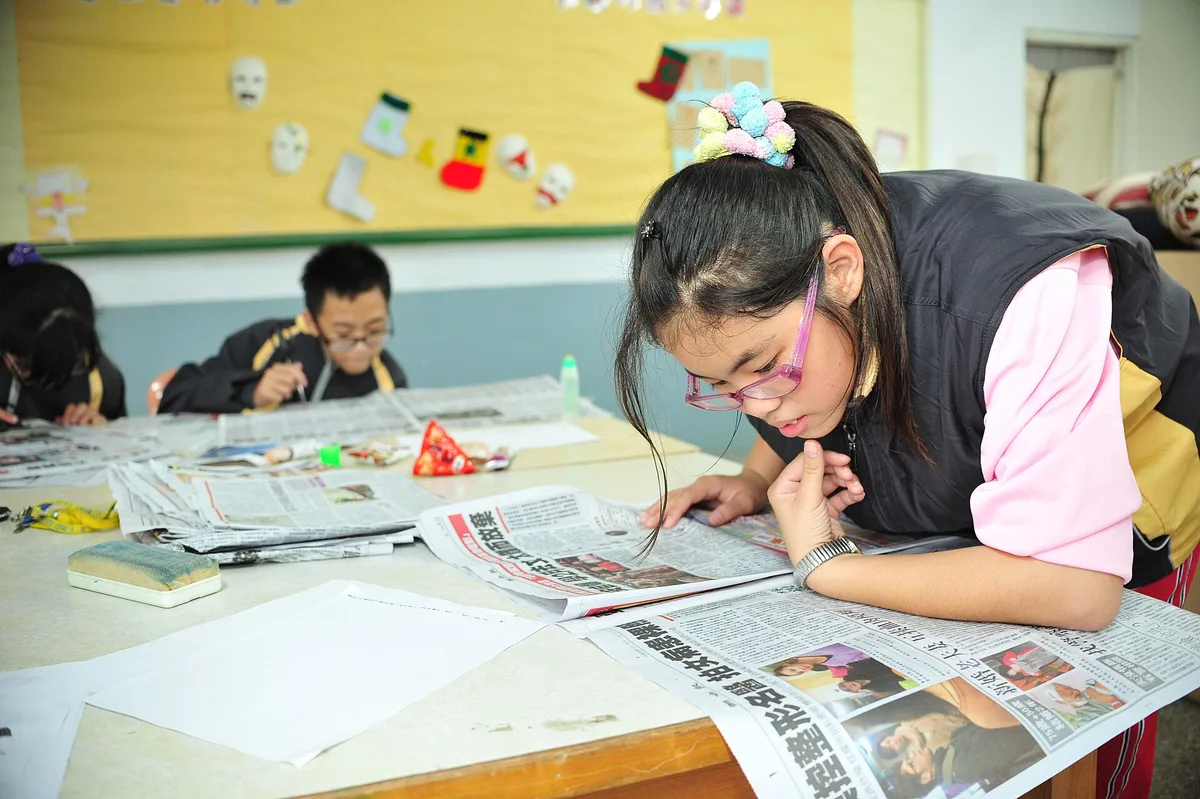
- Compare the claim against another story. Individual readers already do this kind of informal checking, and it is the fastest first step.
- Find the original source. Trace the claim to the person, study, or document that first reported it.
- Read the tone. Fake news articles tend to use more inflammatory language than real ones, partly because their purpose is to confuse and generate clicks.
Practice with something low-stakes, like a rumor about a video game. Run all three steps, then ask what changed.
If the claim cites a study, go one layer deeper. Find out whether the story describes the study fairly or stretches it. Clickbait lives in the gap between what research found and what a headline promises. Naming that gap out loud is a skill your child can use for life, from group chats to homework. For related coverage, see How to Help a Middle Schooler Rebuild Study Habits.
Why corrections alone are not enough
Research offers a useful caution. Jennifer Rose of Queen's University Belfast notes that because fake news is created to mislead, a careful reader may still "infer truth from false premises." Fact-checking alone does not erase that risk, she argues, yet it "ought to remain on educational agendas to help combat fake news."
In plain terms: checking helps, and skepticism helps more. The habit of asking who says this, and how they know, is the durable part.
It also helps to know that professional checkers agree more often than not. One 2016 study found that major fact-checking organizations overwhelmingly agreed on how they rated the same kinds of claims. That should reassure a young skeptic: careful methods tend to converge on similar answers. This connects to our earlier piece, What Families Should Know About School Reentry After Juvenile Detention.
Make it a family habit, not a punishment
Keep the practice light. Pick one viral claim a week and check it together at dinner. Let your child lead the search and defend their conclusion, even when they get it wrong.
Praise the checking, not just the right answer. That is what makes the habit survive contact with the group chat.
Give the habit a home base too. Some families keep a shared note where anyone can drop a claim worth checking. Reviewing that list together turns fact-checking from a scolding into a team sport, and it puts your child in the checker's chair rather than the lectured one.
Conclusion: skepticism is a skill, not cynicism
Teaching kids to fact-check is not about teaching them that everything is false. It is about giving them a pause button: compare, trace, read the tone. Students who build that pause become harder to fool and easier to trust, which is the whole point of media literacy.