Subject file
Education News
Education News covers the companies charging students and families: tutoring providers, exam boards, publishers, student housing operators and education technology firms. Reporting follows pricing, contracts, funding and consolidation, tracing how each reaches a household bill. For parents, school leaders and observers of the sector.
Education News covers the companies charging students and families: tutoring providers, exam boards, publishers, student housing operators and education technology firms. Reporting follows pricing, contracts, funding and consolidation, tracing how each reaches a household bill. For parents, school leaders and observers of the sector.
Education News
Guaranteed-admission agreements, block transfer of credits, and statewide pathways are slowly fixing a system that used to quietly discard a third of a transfer student's work.
By Victor Petrov • May 29, 2026
Education News
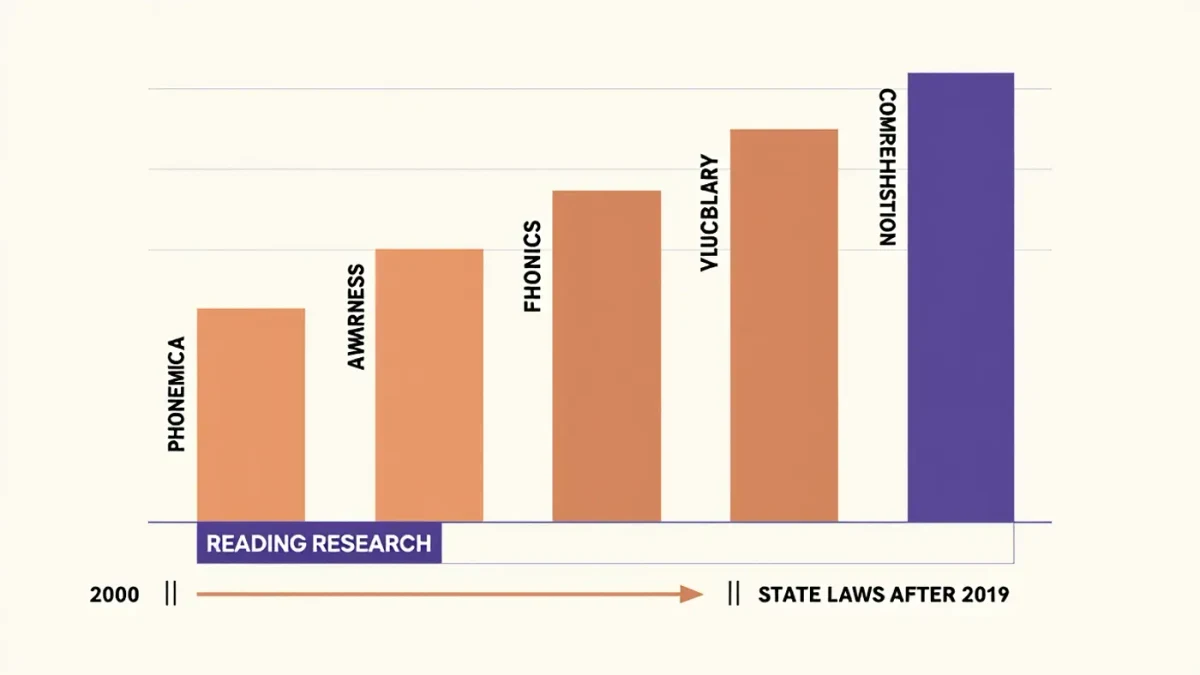
Since 2019, most states have rewritten reading laws around phonics and teacher training — the biggest shift in how American schools teach reading in a generation.
By Victor Petrov • May 6, 2026
Education News
Nearly every state now counts students who miss 10 percent of school — but what counts as a missed day, and who lands in the denominator, differs enough to change a school's number.
By Amara Okonkwo • April 14, 2026
Education News
One counselor for every 385 students is the national norm against a recommended 250 — and the shortage lands hardest in the schools whose students need the most guidance.
By Amara Okonkwo • March 22, 2026
Education News
The money behind a child's classroom arrives through three layers of government and a state formula most families never see — and the differences explain a lot about inequality.
By Kara Williams • February 27, 2026
Education News
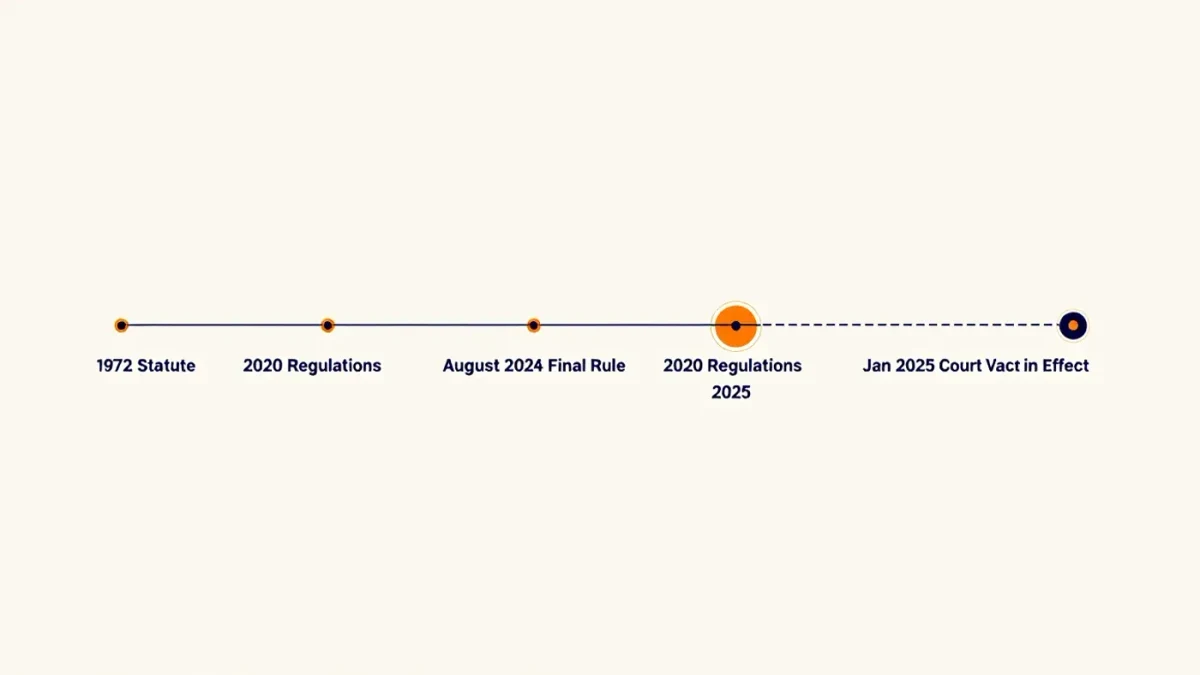
After a January 2025 court ruling vacated the 2024 regulations nationwide, schools are operating under the older 2020 rule — and families are hearing conflicting things about what the law requires.
By Victor Petrov • February 4, 2026
Education News
Every state must publish school-by-school data under federal law, but what goes on the card — and what it can tell you — varies more than most families expect.
By Kara Williams • January 13, 2026