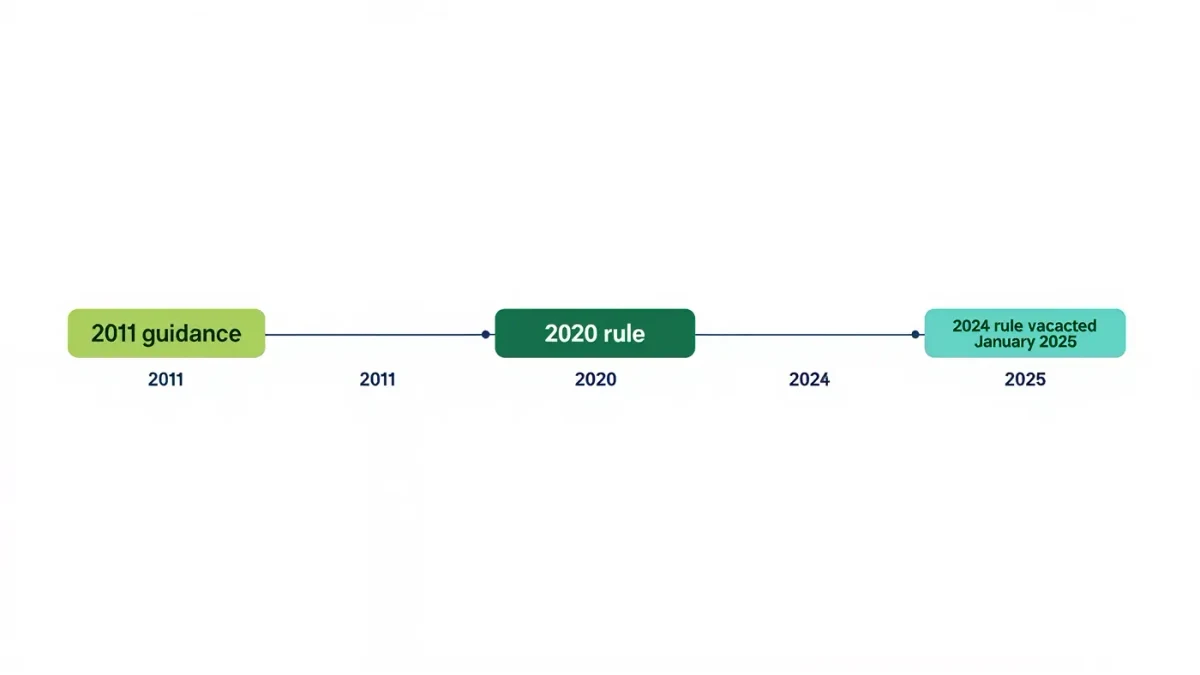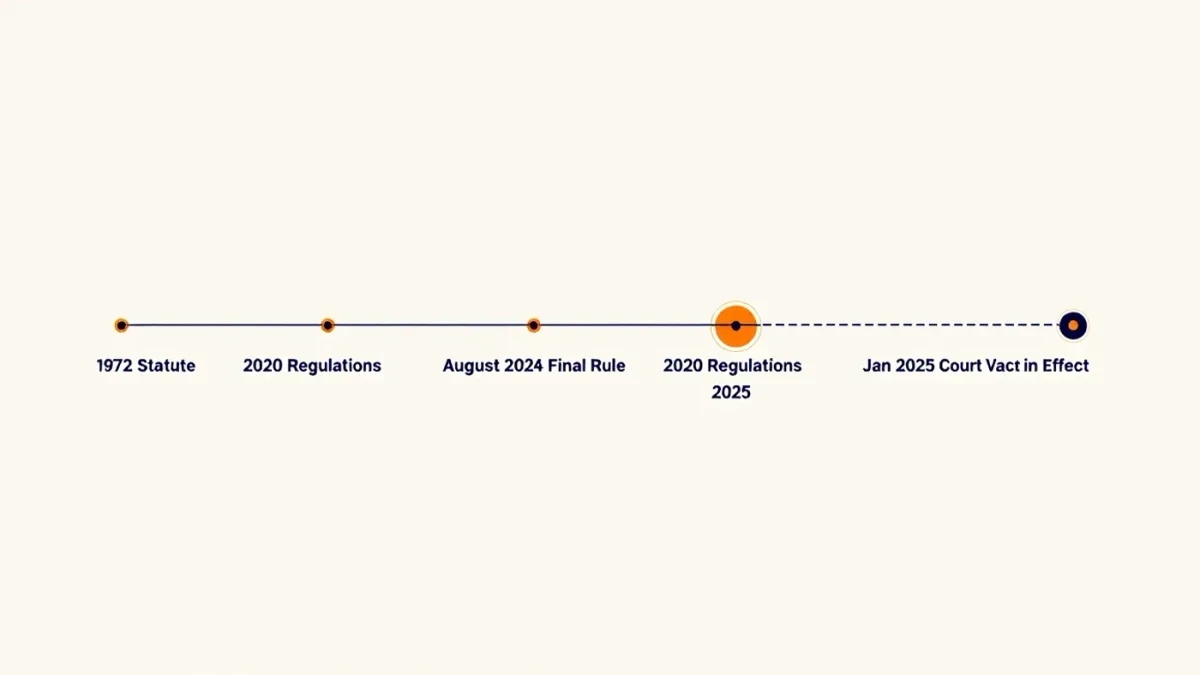
Title IX, the 1972 federal law banning sex discrimination in federally funded education, is currently enforced under the Department of Education's 2020 regulations — because on January 9, 2025, a federal district court in Kentucky vacated the Biden administration's 2024 rewrite of those rules nationwide, according to the Department's Office for Civil Rights. The practical result for families: the broader 2024 definitions of sexual harassment and discrimination never took lasting effect, and the procedures schools must follow are the older, narrower ones.
What changed in January 2025?
The ruling in the Kentucky case, which the Department has confirmed has the effect of a rescission, rolled enforcement back to the 2020 framework. Per the Office for Civil Rights, the 2020 Title IX rule "is now back in effect" and is the basis for its enforcement. For colleges, that means live hearings with cross-examination remain central to how sexual misconduct cases are adjudicated; for K-12 schools, it means the narrower definition of harassment and a complaint-driven process driven by "actual knowledge" of an allegation.
What has happened since?
The Department spent 2025 signaling its own rewrite. A February 5, 2025 executive order directed federal agencies toward enforcement priorities in school athletics, and the Department rescinded athletics-related guidance in May 2025 while continuing enforcement under the 2020 rule. As of early 2026, a replacement rulemaking has been announced but not finalized, so the 2020 regulations remain the operative standard — a limbo that school districts and universities have described as the hardest part to plan around.
What does this mean for a family?
Three things are worth knowing. First, the underlying law — no sex discrimination in any education program receiving federal funds — has not changed; what changed is the procedural rulebook schools must use. Second, if your family is navigating a complaint at a school or campus, ask the Title IX coordinator which regulations their current policy implements, because district policies written for the 2024 rule have had to be revised. Third, the situation can shift again: a future final rule will restart the clock, and states may layer their own requirements on top of the federal floor.
Families can read the Department's own summary of which regulations are enforced on the Office for Civil Rights regulations page. This article is information about the regulatory picture, not legal advice; a specific dispute needs a lawyer or the school's Title IX coordinator.