School lunch in the United States runs mainly through the National School Lunch Program, a federal program that feeds nearly 30 million children on a typical school day and makes about two-thirds of them free or reduced-price (USDA Food and Nutrition Service, 2024). Whether your child buys lunch, packs one, or does both by the week, the program's rules decide eligibility, menus, and what happens when a balance runs out — and they differ by state and district more than most families expect.
This guide is information, not dietary advice for a specific child. But it can save you money and stress, because a surprising share of families who qualify for benefits never apply for them.
Who qualifies for free or reduced-price lunch?
Eligibility is based on household income against federal poverty guidelines: children in households at or below 130 percent of the poverty line qualify for free meals, and those between 130 and 185 percent qualify for reduced-price meals, which cost at most 40 cents for lunch (USDA, 2024). Children in households receiving SNAP or TANF benefits, and most foster, homeless, and migrant children, qualify automatically without a separate application.
Applications are per household and per district, and you can apply at any point in the year — after a job change, not just in August. One application covers all the children in the household at the same district.
What is community eligibility, and how do I know if our school uses it?
The Community Eligibility Provision lets high-need schools serve free breakfast and lunch to every enrolled student, with no household applications at all. More than 20,000 schools nationwide used it in a recent school year (USDA data, 2024), and the list has grown steadily. If your school qualifies, you will hear little about meal applications because there are none — lunch is simply free for everyone.
Ask your district's nutrition services office whether your school is CEP, because families sometimes leave money on eligible-for-free seats they never claimed. Districts post lists, and the school office can confirm in one phone call.
What are the nutrition standards behind the menu?
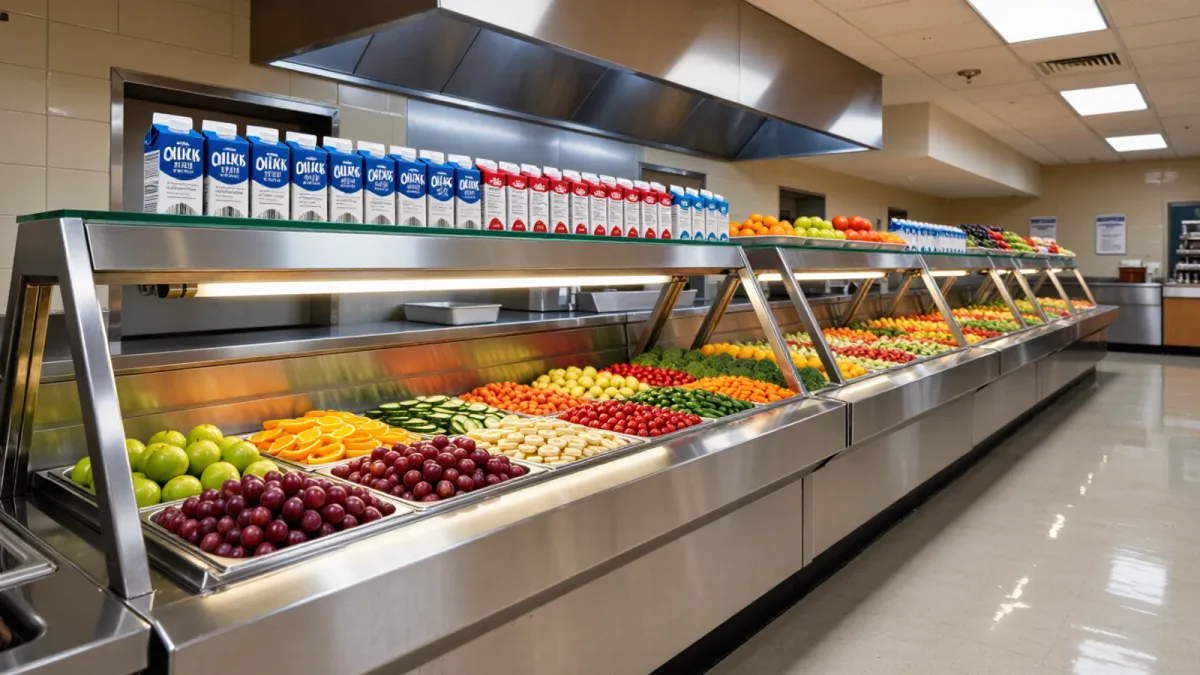
NSLP meals must meet federal nutrition standards updated under the Healthy, Hunger-Free Kids Act of 2010: age-calibrated limits on sodium, saturated fat, and calories, requirements for whole grains, and servings of fruits and vegetables daily, with milk varieties regulated. districts operate under these minimums, and many go further with farm-to-school sourcing or scratch kitchens.
Menus and allergen information are published on district nutrition pages, usually monthly. If your child has a food allergy or a medical dietary need, districts can accommodate with medical documentation — ask for the district's meal modification form rather than relying on the serving line to improvise.
What happens with unpaid meal debt?
Federal law requires districts to have a policy on unpaid meal debt, and the details differ sharply by district. Federal guidance since 2017 bars the program itself from charging students for unpaid balances or denying them a meal as collections tactics, but practices around alternate meals and debt notices vary. Some states have gone further and banned so-called lunch shaming outright.
Practical protections: your balance notices likely come through the district's payment app, so check it monthly rather than at year-end. If you hit financial trouble mid-year, reapply for benefits — eligibility is not fixed in stone from August.
What about school breakfast?
The School Breakfast Program is the lunch program's quieter sibling, and it is chronically underused. Many districts serve breakfast in the cafeteria before the bell, and a growing number run second-chance or classroom breakfast, which hands food to students after first period instead of requiring an early arrival. Where community eligibility is in place, breakfast is free for every student along with lunch.
The practical barrier is timing: check when breakfast service opens and closes, because a bus that arrives ten minutes after the cafeteria closes means no breakfast no matter what the policy says. If mornings at your house are chaos, school breakfast is one of the cheapest routine purchases in parenting — and a child who has eaten is a child who can pay attention to the reading lesson that starts at 8:15.
Packed lunch or school lunch: which is better?
Neither wins outright. School lunches must meet those federal nutrition standards, while packed lunches are unregulated and, in studies comparing the two, often carry more sugar and fewer vegetables — but a packed lunch you control wins on cost, allergies, and a child who will actually eat it. Many families do both, buying on pizza day and packing the rest.
| Option | Strengths | Watch-fors |
|---|---|---|
| School lunch | Balanced by federal standards, often cheapest, no morning prep | Menu appeal varies; portion sizes fixed |
| Packed lunch | You control ingredients and allergies | Cost and food safety; tends toward repeat snacks |
| Breakfast at school | Frequently free under CEP or separate eligibility | Arrival-time cutoffs; check the schedule |
How do I actually sign up?
Find the meal benefits application on your district's nutrition services page — many now use online portals that process in days. You will need household size and income; SNAP-receiving households mostly skip the income section. Turn in one per household per district, and keep the approval letter, because it sometimes unlocks fee waivers for exams and activities as well.
Does my child lose lunch time to scheduling?
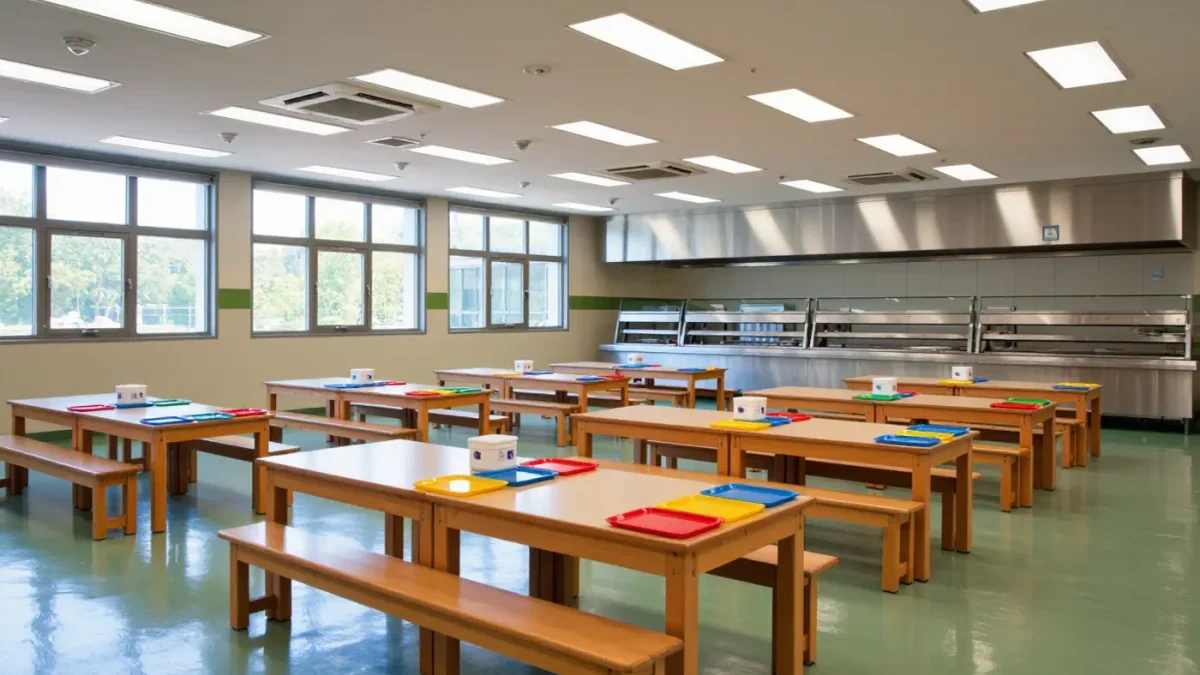
Ask when your child actually eats. Some schools schedule lunch periods as early as 10:30 a.m. or as late as 1:30 p.m., and recess sometimes comes after lunch by design — schools that flip the order see calmer tables. A child who complains of afternoon hunger may simply have a 10:45 slot, which a protein-heavy breakfast or a teacher-approved snack window can bridge. The schedule is on the school's website or one office call away.
, best-run benefits in the school day. If your family might qualify, the fifteen minutes of paperwork is the highest-return homework you will do this year — and if your school serves every child free under community eligibility, the only step left is telling your kid to take the fruit.