Youth volunteering teaches things classrooms rarely grade: showing up on time for someone who's counting on it, working alongside strangers of different generations, and seeing a community's needs up close. AmeriCorps, the federal agency for national service, reported in its most recent national volunteering study that more than one in four U.S. adults volunteered formally — and teens who join them gain documented benefits, from communication skills to the kind of purpose that research links to motivation in school. For families, the practical question is how to find the right fit, not whether the benefits are real.
As always on this site, this is information rather than advice; the right opportunity depends on the teen, the community, and the organization's own youth policies.
What do teens actually learn from volunteering?
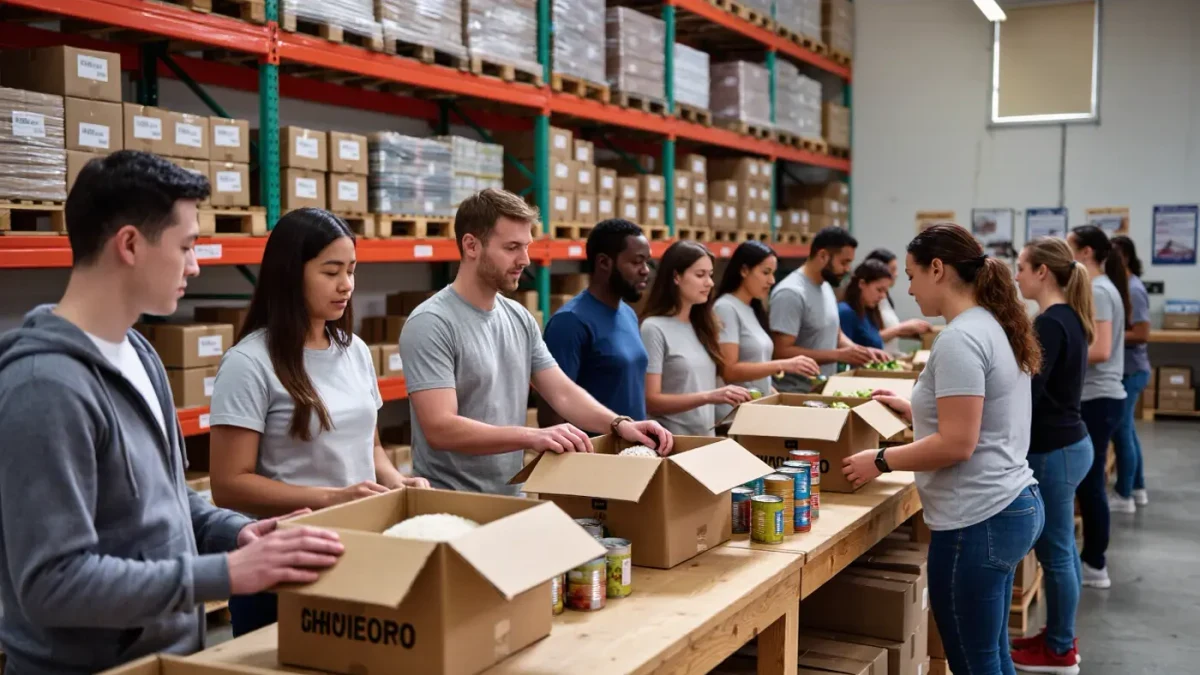
The teachable content of service work is surprisingly specific. Food-bank shifts teach logistics and pace under real constraints. Tutoring younger students forces the tutor to explain ideas clearly — often the fastest way to master them. Animal shelters and cleanup crews teach task persistence when the work is unglamorous. Hospital and library volunteering teach professional norms: badging in, dress codes, confidentiality, reporting to a supervisor.
Research on service learning — volunteering connected to reflection — reports gains in civic engagement, empathy, and in some studies academic motivation. The mechanism researchers usually cite is purpose: work that visibly matters to someone else tends to reframe school itself as connected to something rather than abstract.
Does volunteering help with college applications?
Honestly: it can, but only when it's genuine. Admissions readers at selective institutions have said for years that sustained commitment to one cause outshines a scattered log of one-day events, and that depth — responsibility taken, growth over time, occasionally leadership — is what turns service into evidence of character. A semester of weekly shifts at one organization with a real role says more than a transcript of Saturday pop-ups.
The mistake families make is running service as a credential farm. Teens smell that instantly, and so do application readers. The service that pays off is the service the teen would half-keep doing anyway.
How do you find opportunities that fit a teenager?
Start from the teen's interests, then match structure. A workable process:
- List the interests. Animals, small children, environment, food access, libraries, elder care, sports, building things — every one maps to real organizations in most communities.
- Check age minimums early. Many organizations set their own floors (often 14, 16, or 18) because of insurance and supervision rules; asking first saves disappointment.
- Use the national portals. AmeriCorps' volunteer search and similar national databases let teens filter by zip code, cause, and age eligibility — the fastest scan of what's actually nearby.
- Start small. A single event before a seasonal commitment, and a seasonal commitment before a year-long one. Volunteering has a quitting learning curve like anything else.
What do organizations expect from teen volunteers?
The same things employers do, in smaller doses: reliability, punctuality, communication about absences, and willingness to do unglamorous tasks. Most organizations run orientations and pair new volunteers with experienced ones. Some require parental consent forms for minors — standard practice, worth returning promptly since a delayed form often delays a start date by weeks.
One expectation deserves underscoring: showing up. A no-show volunteer slot at a food pantry or reading program is a hole in the day's plan, not an empty chair. Teens who internalize that consequence — that people depended on them — are experiencing the core lesson of adult work in its purest form.
Can families volunteer together?
Often, yes, and it's an underused option. Family volunteering sidesteps the teen's startup anxiety, lets parents model the norms directly, and converts service from a teen assignment into family identity. Community kitchens, park cleanups, habitat builds, and delivery routes commonly welcome family teams, sometimes with lower age minimums when a parent participates. For a teen reluctant to walk into a room of strangers alone, the family route is the on-ramp — with the exit plan being a solo role a season later.
How much is enough?
There's no number, and families chasing one are usually answering a different question (applications). A useful household frame: consistent enough that the organization can count on the teen, and sustainable enough that school, sleep, and paid work aren't cannibalized. For many teens that's a weekly two-to-three-hour shift; for others a seasonal project. Depth beats volume — for learning, for the organization, and yes, for applications too.
What are good first volunteer roles for beginners?
Some roles fit first-time volunteers better than others, and the difference is usually task clarity. The best beginner roles have visible output, a defined shift, and limited social performance: sorting donations at a food bank, stocking a little free pantry, park and trail cleanup, packing seedlings at a community garden, or shelving at the library. The work is concrete enough that a nervous fifteen-year-old always knows what to do with their hands, and the results are visible by the end of the shift — which matters more for morale than adults sometimes assume.
Slightly braver roles add people, in structured doses: handing out water at a race, greeting at a donation drive, being a runner at a community event. The bravest tier — tutoring younger students, visiting senior centers, helping at summer camps — puts the teen in a relationship, not just a task, and suits volunteers who've logged a few easier shifts first. There's no required order, but the ladder mirrors the job-readiness ladder on purpose: each tier trains a skill the next one assumes.
Seasonal timing matters too. The demand spikes everyone knows — holidays for food drives, spring for cleanups, summer for camps — are competitive with adult volunteers. The off-peak asks are where teens are most wanted: January food sorting, February library shelving, autumn harvest gleaning. A teen who answers an unglamorous off-season need learns an underrated lesson about what service actually is, and gets more responsibility faster, because the roster is thin.
One habit turns any of these into a credential worth having: keep a simple log of dates, organization, hours, and one line about what the shift involved. Applications, scholarship forms, and first resumes all ask for exactly this, and teens who reconstruct a year of volunteering from memory usually undercount their own record.
The quiet upside
Beyond skills and service hours, volunteering hands teens something the school day rarely provides: evidence that they're useful now, not after graduation. Per the AmeriCorps national data, tens of millions of adults keep choosing service with their free time — and the habit, like most habits, is easiest to install at sixteen. Families that treat the first volunteer shift with the same care as the first job interview tend to find the benefits compound quietly for years.