Most children are ready for overnight camp somewhere between ages 8 and 12, but the honest answer is that readiness is about separation and self-care, not birthdays — the American Camp Association, whose members serve millions of campers each summer, starts the question not at age but at whether a child wants to go and can manage nights away from home. A confident 8-year-old who has slept at a grandparent's many times may be readier than an anxious 11-year-old who never has. Both are normal.
This guide publishes information, not advice about your specific child — temperament, health, and family history all change the calculus. What it offers is a readiness picture you can hold your own child against, and a set of steps that lower the risk of a phone call home at midnight.
What does readiness actually look like?
Four signals matter more than any others. First, the child wants to go — a child who has been sold on camp by an eager parent is a different case from one asking to try. Second, they have managed nights away from their primary caregivers, at relatives' or friends' houses, without escalating distress. Third, they handle the mechanics of self-care: dressing, showering, keeping track of their things, asking an unfamiliar adult for help. Fourth, they can carry a day's routine with mild reminders rather than full supervision.
Bedwetting, medication, or dietary needs are not automatic disqualifiers — established camps handle them routinely and privately — but they belong in the conversation with the camp director before enrollment, not after arrival.
How do I judge a camp itself?
Ask how the camp is licensed by its state and whether it is accredited by the American Camp Association, which visits and reviews camps against several hundred health, safety, and programming standards. Accreditation is not a guarantee, and licensed-but-unaccredited camps can be excellent, but the combination answers a lot of diligence questions at once.
Then ask the questions a phone call reveals: what is the counselor-to-camper ratio in my child's age group, how are staff screened and trained, how does the camp handle homesickness, and what is the policy on calling home? Camps with thoughtful answers to the homesickness question — structured busy evenings, a check-in system, no shame — tend to be thoughtful everywhere else too.
What about homesickness — theirs and mine?
Homesickness is not a failure of readiness; research on first-time campers summarized by camp-industry and child-development sources consistently finds that most campers feel at least a pang of it, and that it typically fades within the first few days. What predicts a rough week is not the feeling but the surprise of it, which is why the preparation is honesty: tell your child they might miss home, that it is normal, that it passes, and that thousands of kids at camp the same week feel the same thing.
The parent side deserves the same honesty. Do not promise rescue — "if you're sad I'll come get you" converts a passing pang into a mission. Instead, agree on the plan before departure: letters, the one-way email most camps run, the visiting day, and a full-session commitment short of genuine emergencies.
How should we practice before the real thing?
Ladder the separation across the year before camp rather than testing it in one week.
- Overnights with grandparents or a close friend's family, with the child packing their own bag.
- A weekend, not a week, at a local camp or Scout-style program.
- A trial run of camp skills at home: sleeping with a headlamp on the nightstand, writing one letter, using a laundry bag.
- Include the child in choosing the camp and packing, so the week feels like theirs.
Day camp or overnight camp — which comes first?
For a child who is unsure, day camp is the natural bridge: all the new activities, new adults, and new friends, with pickup at four o'clock. A summer or two of loving day camp answers the social half of the readiness question while the sleeping-away half waits. Many overnight campers make exactly this progression, and it is a sign of good pacing, not of falling behind.
The reverse happens too — a child who is desperate to sleep away but is younger than most camps accept can start with a family camp, where the whole household comes and the child sleeps in the family cabin while sampling the daily program. Either way, the goal is the same: the first solo week should feel like a next step, not a cliff.
Shorter session or full summer first?
Start short. A one- or two-week session answers the readiness question at a fraction of the emotional and financial cost of a full summer, and many camps explicitly design starter sessions for first-timers. If the short session ends with a happy, tired child asking to return, you have your answer for next year. Specialty camps — sports, STEM, arts — can be a good fit for a child whose hesitation is about the program rather than the sleeping away.
| Signal at home | What it suggests |
|---|---|
| Asks to go; has friends who go | Green light — involve them in choosing |
| Willing, but never slept away | Practice overnights first, start short |
| Says no clearly | Wait a year; day camp as a bridge |
| Anxious plus strong self-care | Possible with prep and a shorter session |
What should we do in the last week before departure?
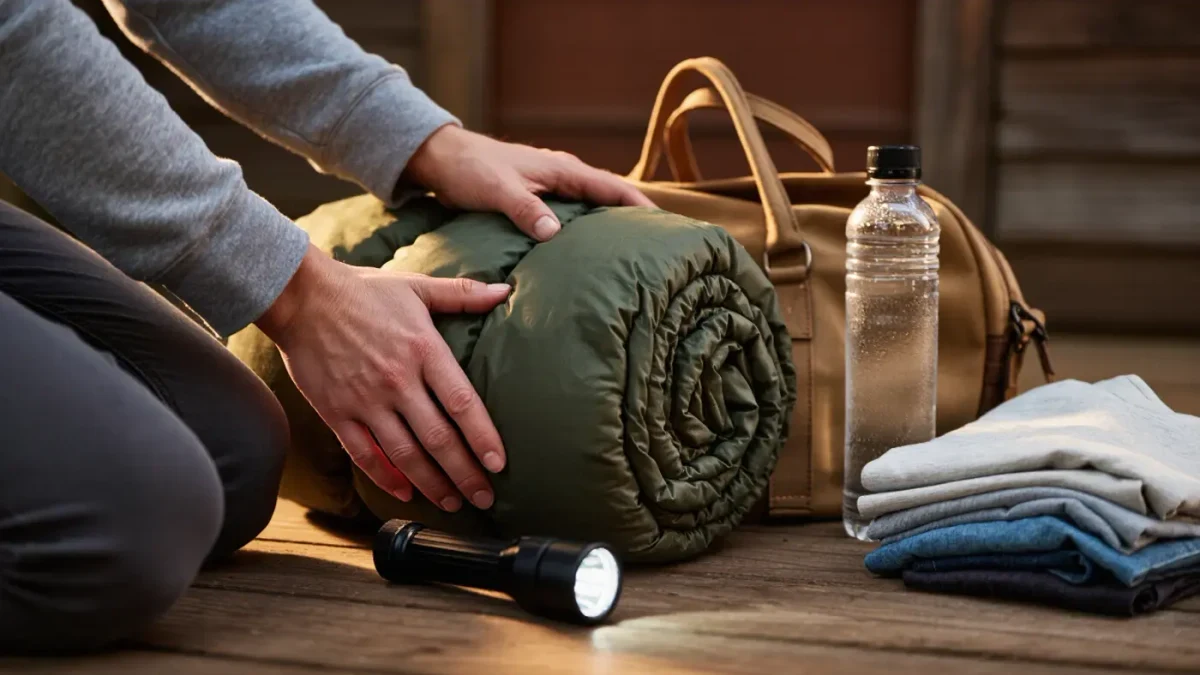
Pack together, with the camp's list, and let your child handle the small decisions — which flashlight, which books. Rehearse the one skill you are least sure of, whether that is showering independently or writing a letter. Drop-off should be short and warm: help make the bed, meet the counselor, say the confident goodbye, and leave.
Then expect a letter or two that reads harder than the week actually is, because letters get written in the quiet minutes at rest hour while the loud, happy minutes never make it to paper. Trust the camp's judgment enough to call and ask how it's really going, and keep your end of the plan. Most weeks end the same way: a exhausted, unwashed child holding a water bottle full of stories, already asking about next summer — and the readiness question you spent a year worrying about answered in a single car ride home.